How Much Should You Spend on Darts? 5 Price Ranges Compared
26/03/2026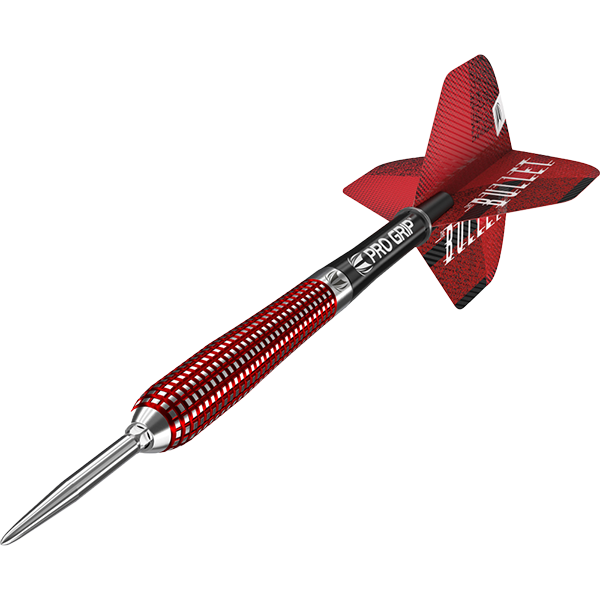
Shortest answer: Beginners get the most value from darts between £15 and £55 — that range already offers solid 90% tungsten quality that lasts for years. Players who throw regularly and want to improve should look at the £55–£80 range. Only above that do you notice a real difference in balance and grip, and only if you've already built a consistent throwing technique.
The most common question about darts isn't "which brand?" but "how much should I actually spend?" The answer depends on how seriously you play, but the differences between price ranges are more concrete than most buyers realise. This article compares five price ranges side by side: what you get for your money, what you miss out on, and when an upgrade is worth it.
Under £15: brass darts for absolute beginners
Darts under £15 are almost always made from brass, a cheaper alloy metal. Brass is less dense than tungsten, which means the barrel has to be thicker to reach the same weight. In practice, a thick barrel makes grouping more difficult, because the darts simply sit further apart in the board. For someone who wants to find out whether darts is for them, these are fine. But anyone who starts playing more regularly will hit the limits of brass within a couple of months. Typical in this range: KOTO 90 pieces, GOAT Athlete Black Brass, KOTO Academy Class 2 Brass
£15 to £55: first tungsten, solid entry level
Above £15, the first darts with 70–90% tungsten appear. Tungsten is denser than brass, allowing the barrel to be significantly slimmer at the same weight. That slimmer profile makes grouping easier and gives more room in the board. The £15–£55 range offers surprisingly good quality. The finish is straightforward, with limited grip detail and standard shafts and flights, but the core geometry is sound. A set in this segment lasts one and a half to two years with normal use. Typical in this range: KOTO Sting Black Straight, Torpedo, Tapered and Bomb and Winmau Skybolt 90% Dartshopper Exclusives
£55 to £80: the right choice for the regular player
Most experienced players who don't play professionally sit in this segment. Darts between £55 and £80 offer 85–95% tungsten, more grip variation (tapered, knurled or scalloped) and come with better shafts and flights. This is also where barrel shape starts to matter. A torpedo barrel has its balance point more centrally positioned, a teardrop shape sits lower on the barrel (front loaded), and a straight barrel distributes weight evenly. The wide range of grip styles makes it easier to find a dart that suits your throw. Typical in this range: Target Nathan Aspinall G1 Swiss Point 90%, Target Bolide Void 01 Swiss Point 90%, Harrows Supergrip Tapered Quick Point 90%.
£80 to £110: high tungsten and brand-specific technology
Above £80, brands apply their own technologies. Target uses their Vision coating here, Winmau their Prism grip. Tungsten content rises to 90–95%, making barrels even slimmer and more precise. The difference from the range below is subtle but noticeable for players who have already developed their technique. Someone just starting out will barely notice it. The gain is in finer tuning, not fundamentally better darts. Typical in this range: Harrows Wolfram Trinity Quick Point 97%, Target Nathan Aspinall G2 Swiss Point 95%, Target Redux 01 Swiss Point 90%.
Over £110: pro level and limited editions
The highest range contains tour-replica sets from professional players such as Michael van Gerwen, Luke Littler and Gerwyn Price, plus specialist editions with 95%+ tungsten, advanced multi-zone grips and hand-polished finishes. If you want to play the exact setup of your favourite pro, or you're looking for a premium gift, this is the segment for you. Typical in this range: Target Luke Littler G1 90% Swiss Point, Target Rob Cross 95K Swiss Point 95%, Harrows Opus Quick Point 90%.
When is upgrading your darts worth it?
The step from brass to the first tungsten range is almost always worthwhile. Beyond that, upgrading only makes sense when your technique is consistent enough to actually feel the difference. A player with a lot of variation in their throw line will barely notice the difference between £55 and £80 darts. That investment only pays off once the fundamentals are solid.
Frequently asked questions
The choice of price range doesn't have to be a guess. Want to see which specific sets in each range suit you? Browse the full selection on the darts page at Dartshopper, filtered by material, weight and price range.
related blogs
Buying darts for experienced players
Buying darts for beginners
Best beginner darts in 2026


